Reservoir Shocks - Overkill or Not in 2026?
Posted by Sean Reyes on
Reservoir Shocks Guide
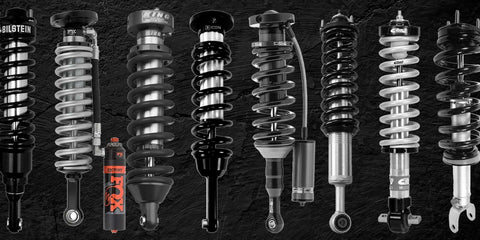
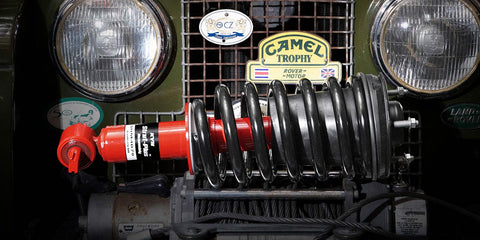
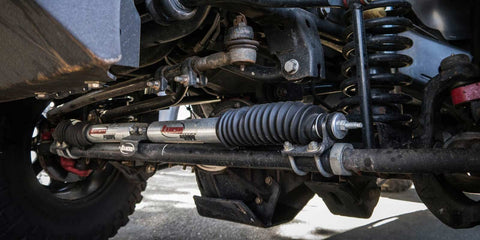
Reservoir shocks, whether remote (connected with a hose), or piggyback (directly on the main shock body), increases a shock’s capabilities significantly. In most cases, reservoir shocks are also monotube-gas design for more consistent damping and heat dissipation. You will rarely see a reservoir on a twin tube or emulsion shock.
Typically we get customers asking whether or not a reservoir shock is appropriate for their use. We aren't afraid of talking people out of reservoir shocks, as usually they're overkill on a daily driver that sees dirt only a couple times a month, or even only a few times a season.

Benefits of Reservoir Shocks
- With such a large volume of space for the oil and gas to operate in, this creates a more dramatic difference for internal operating pressures compared to a single body damper, thus usually increasing ride quality for the driver.
- Less pressure buildup, less component wear, longer life - the lower operating pressures mean better durability for the internal components.
- Further heat dissipation due to increased oil volume and surface area means enhanced predictability and damping in extreme terrains.
- Increased travel gain when compared to a non-reservoir shock of the same size, this is due to the gas chamber being moved from the main body, to the reservoir body, opening up more travel in the main body of the piston through the oil.
Are Reservoir Shocks Worth it?
They're not only for shiny trucks at SEMA. The toughest off-road and off-grid vehicles will typically have reservoirs, sometimes with adjustable features.
Go with the Reservoir option if you’re hitting the trails hard, frequently maxing out the suspension travel on your rig, or want to provide the most life possible for your vehicle and its components. Nearly all adjustable shocks also feature reservoirs, since the adjustment of the shock happens through the reservoir or reservoir bridge.
Frequently reservoir options will increase the price of the shock 2x, so ask yourself if that investment is worth it and what you plan to do with your vehicle. Looking badass is also a good reason to splurge.
Are Remote Reservoir Shocks Worth It?
The question of whether reservoir shocks are worth it ultimately depends on your driving needs, preferences, and budget. If you frequently engage in off-road adventures, tackle challenging terrains, or simply demand optimal performance from your vehicle, reservoir shocks are undoubtedly a valuable investment. The enhanced durability, adjustability, and heat dissipation they offer make them a preferred choice for serious enthusiasts.
Popular Reservoir Shock Options
| Reservoir Shocks | Body Dia. | Piston Dia. | Adjustable | Price |
| 2.0 | 46mm | No | $199/ea | |
|
Bilstein 8100 |
2.6 | 60mm | Available | $400/ea |
| 2.0 | 48mm | Available | $239/ea | |
|
Fox 2.5 Performance Elite |
2.5 | 60mm | DSC | $1000 |
| 2.25 | Available | $350/ea | ||
| 2.5 | Yes | $600/ea | ||
| 2.5 | Yes | $700/ea | ||
| 2.5 | Available | $600/ea |
You Need Reservoir Shocks If:
- You find yourself on long dirt roads for extended periods of time
- Find yourself being the 'fun' guy in the group and usually out front on the trail or in the desert
- You want something serviceable to maximize investment
Popular Alternatives to Reservoir Shocks in 2026
Many manufacturers have beefed up their IFP designs (Internal Floating Piston), going from standard 2in offerings up to 2.5in bodies with bigger pistons. These shocks address the additional capability concern that reservoir shocks usually address, as well as the heat aspect.