Why Your Off-Road Shocks Are Rusting (And How to Stop It)
Posted by Sean Law-Bowman on
In This Article
Why Zinc Plating Is Still the Right Call for Off-Road
Despite the complaints you'll see online, zinc plating is the superior coating for off-road shocks — better than paint, better than powder coat, and it's not particularly close.
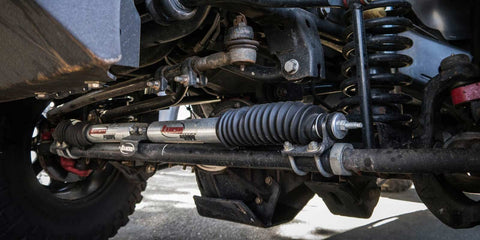
Shocks built for trail use aren't just designed to handle the elements. They're designed to take a beating from rocks, gravel, and debris at speed. Where a pebble strike will chip paint or powder coat right off another shock, the zinc-steel alloy coating on most high-performance off-road shocks is harder than nearly any debris that gets launched at the shock body. After a full day of effectively sandblasting your undercarriage, the shock bodies are still protected.
The tradeoff? Zinc plating doesn't love long-term exposure to road salt, de-icing agents, or moisture sitting against it. And that's where most people lose the battle.

Why the Rust Happens
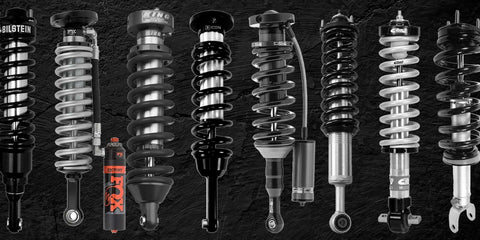
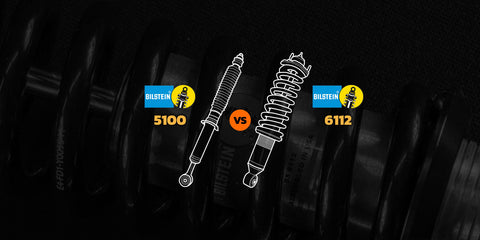
Search for user reviews on shocks like the Bilstein 6112, Bilstein 5100, Fox Factory Race Series, or Kings, and you'll find the same story over and over: "These shocks were great, but they rusted out in a year or two."
That rust was preventable. Every time. The issue isn't the coating — it's that dirt and debris pack against the shock body and trap moisture right against the zinc. Road salt just accelerates the process. Without routine cleaning and protection, you're basically giving corrosion a head start.

The Fix: Clean, Dry, Protect
Step 1: Get Them Clean
No matter where you live or whether you deal with road salt, start here. Dirt and debris will hold moisture against that zinc coating even in dry climates. Before applying any protective treatment, make sure the shock bodies are completely clean and dry.
If you're in a region that salts the roads in winter, there's no excuse for going all winter — let alone all year — without cleaning your undercarriage. If you're already doing that, you're halfway there.
Step 2: Apply a Silicone Lubricant Spray
Once the shocks are clean and dry, apply a liberal coat of silicone lubricant spray. This creates a protective barrier between the zinc and whatever the elements throw at it — moisture, salt, mud, all of it.
A few products that work well: Blaster Brand silicone spray, WD-40 Specialist (not standard WD-40 — the Specialist line), Uline, and 3M all make solid options. They dry fast and leave a silicone skin that keeps corrosive substances out without harming anything else on the vehicle. If you get it somewhere other than your brakes, you're fine — and even on the brakes, a few hard stops will burn it right off.
Step 3: Maintain It on a Schedule
These sprays hold up well and will typically last through a full winter or wet season, but staying ahead of it is easy:
- Salt/wet climate: Apply at the start of the wet season, then once or twice more before it's over.
- Year-round wet climate: Clean and reapply every 2–3 months, or whenever you're already under the rig for something else.
- Off-road use: Reapply after each trail run. It takes a few minutes and saves your investment.
- Dry/desert climate: You're largely off the hook, but it never hurts.

Bottom Line
There's no reason to be running around on rusted shocks. The coating on quality off-road shocks is genuinely tough — it just needs a little backup against moisture and salt. A can of silicone spray and a few minutes under the vehicle once a season is all it takes to keep your Bilsteins, Fox, Kings, or whatever you're running looking and performing the way they should.
Questions about which shocks are right for your rig? Our team is here — chat with a shock expert or browse our buyer's guides to get dialed in.