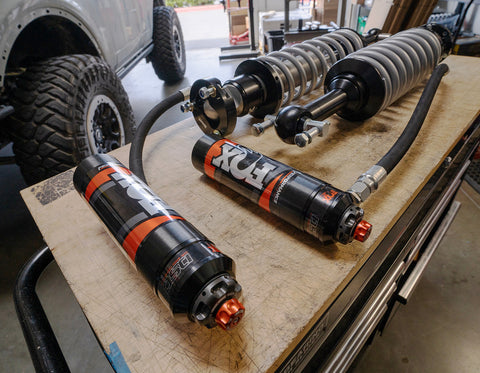
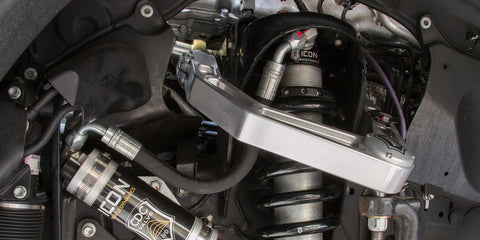
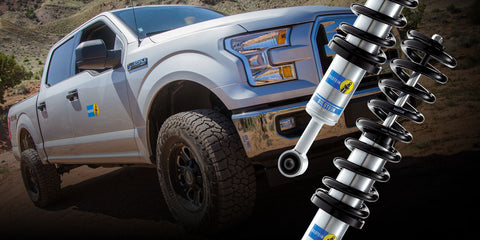
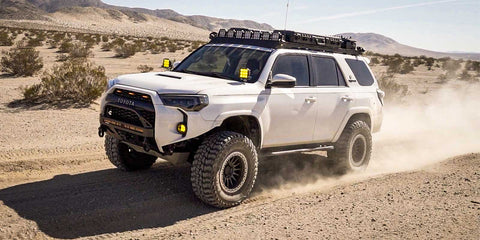
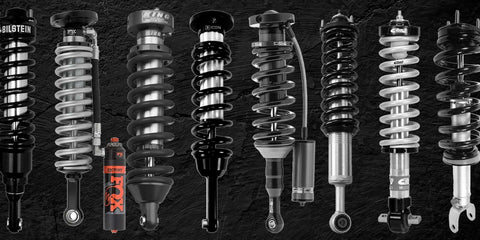
Fox Shocks Frequently Asked Questions on 2.0 / 2.5 / 3.2 Series
Posted by Sean Reyes on
Fox Shocks (Truck & Jeep) FAQ
Elevate your truck's performance with Fox Shocks from Shock Surplus. Discover the precision and durability of Fox shocks for trucks. Unleash the ultimate ride quality with top-tier Fox 2.0 shocks today.

Do Fox shocks really make a difference? Do Fox shocks improve ride quality?
One of the main differences noticed immediately when equipping Fox shocks on your vehicle is how much better the suspension will handle the every day bumps and irregularities. This isn't conjecture, we've tested numerous vehicles on Fox 2.0 and Fox 2.5 shocks - results weren't always perfect or as expected, but substantially better in every area when compared to stock shocks.
Potholes and speed bumps will be less jarring, washboard country roads will be a bit more forgiving and not so jolty, and rough icy roads even out a bit without all the rattle. That rear end slop going up and down driveways with a heavy truck - gone.
How long do Fox shocks last?
It Depends on your driving style and shock setup (2.0, 2.5, 3.0, etc). Fox’s 2.0 IFP shocks have recommendations for servicing by 50,000 miles for street-only use. If you beat on the 2.0s every weekend, then you should evaluate the shock’s health every 10k miles (shafts, seepage or leakage).
At Shock Surplus, we understand your suspension needs. Wondering "how long does Fox Shocks last?" and "how long do Fox 2.0 shocks last?" We've got you covered with high-quality, durable shocks that promise longevity and performance. Find your perfect Fox Shocks solution today!
Which shocks are better, Falcon or Fox?
These are two different products in almost every aspect. Falcon shocks are a 2.25” shock body, while Fox offers a 2in, 2.5in, and 3in body in different configurations. From all the feedback we’ve received, Falcon seem to ride a bit firmer than Fox 2.0, and we’ve heard from plenty of Jeep owners who have ran both brands. There are many reasons and background to this; Falcon and their associated suspension parts are very performance driven, better handling in the hard terrain, and tighter handling on the road. Fox is a more universal approach; not necessarily valved to specific suspension packages, but rather a general improvement in various use-cases. The verdict is still out on IFS light trucks, but we’ve heard similar feedback.
Why are Fox shocks so expensive?
Fox Shocks are a high performance type of product, this means its built with higher end components like seals, bushings, internals, oil, shafts, etc. All meant to withstand off-road punishment and environments. It takes a race-level approach to damping vehicles at high speed in very rough terrain over longer periods of time.
- Fox 2.0 - $269 / ea - $459 / ea (reservoir, CD reservoir, coilover)
- Fox 2.5 - $699 / ea - $1000 / ea (reservoir, DSC, coilover)
- Fox 3.0 - $1500 / ea - $2500 / ea (options, bypasses, etc)
Most of Fox's products are aluminum bodies, as well as serviceable - meaning they can be rebuilt like new over and over for extended lifespan.
Do Fox shocks provide a smooth ride?
Fox achieves comfort through control, both reducing body roll, and having better (than stock) bump compliance; meaning yes absolutely they provide a smooth ride. We have quite a bit of experience with upgrading our own vehicles with Fox, comparing against other competing brands, and Fox has always made a positive difference.
Do Fox reservoir shocks ride smoother than non-reservoir (IFP)?
To compare a reservoir shock vs a non-reservoir shock, you have to split the experience into daily-driver use and higher-speed off-road use. The benefits of the remote reservoir will typically only shine in high speed off-road use where the added oil reduces overall oil-temperature. There’s also more shock stroke in a reservoir shock compared to its non-reservoir counterpart, because the nitrogen chamber is located in the reservoir, compared to in the main body of the IFP. In other words, if you aren't pushing it hard on the weekends off-road, remote reservoir shocks are overkill.
What’s the biggest difference between Fox 2.0 and 2.5?
The biggest difference is body size, oil volume, and piston size. With a larger surface area for the working piston, the 2.5 shock just has to do much less work over identical terrain compared to the 2.0. This translates to a smoother feel on bumps, not so jolty or sloppy. The shock can also stay cooler for much longer over identical terrain due to substantially more oil volume and lower operating pressures compared to the 2.0 counterpart.
Though we'd be lying if we said some Fox 2.5 buyers haven't regretted their decision, as the road feel has been firmer/sportier than expected from a $3k purchase. This can be addressed through better spring or shock selection, or a custom tune if you're set on a certain package.
Does a Fox stabilizer make a difference?
So far in our ride tests on our 2020 Power Wagon, the verdict is still out. We went from a perfectly good factory stabilizer, to a 2.0 performance stabilizer. So it's been hard to tell any difference at all with our setup (Carli 2” kit, Fox 2.0 reservoirs, 37” tires).
Fox 2.0 vs 2.5 Shocks
The main difference between Fox 2.0 and Fox 2.5 shocks lies in their size and capacity. Fox 2.0 shocks, with their smaller diameter, are better suited for everyday driving and light off-roading. They offer a comfortable and controlled ride for a wide range of vehicles, making them a versatile choice. Find the difference between Fox 2.0 vs 2.5 with us.
In contrast, Fox 2.5 shocks are built for rugged and demanding off-road adventures. With a larger diameter and increased oil capacity, they can handle heavy loads and offer enhanced performance in extreme conditions. If you are planning to push your vehicle to the limit or carry heavy payloads, the Fox 2.5 shocks are the superior choice.
Fox 2.0 vs Fox 2.5: The Verdict
Choosing between Fox 2.0 and Fox 2.5 shocks ultimately depends on your specific needs and the type of driving or off-roading you do. Find the biggest difference between Fox 2.5 vs 2.0 here. If you have a daily driver or a moderately loaded vehicle and prefer a smooth and comfortable ride, Fox 2.0 shocks are the way to go. However, if you're an avid off-road enthusiast tackling challenging terrains or carrying heavy loads, Fox 2.5 shocks will provide the enhanced performance and durability you require.
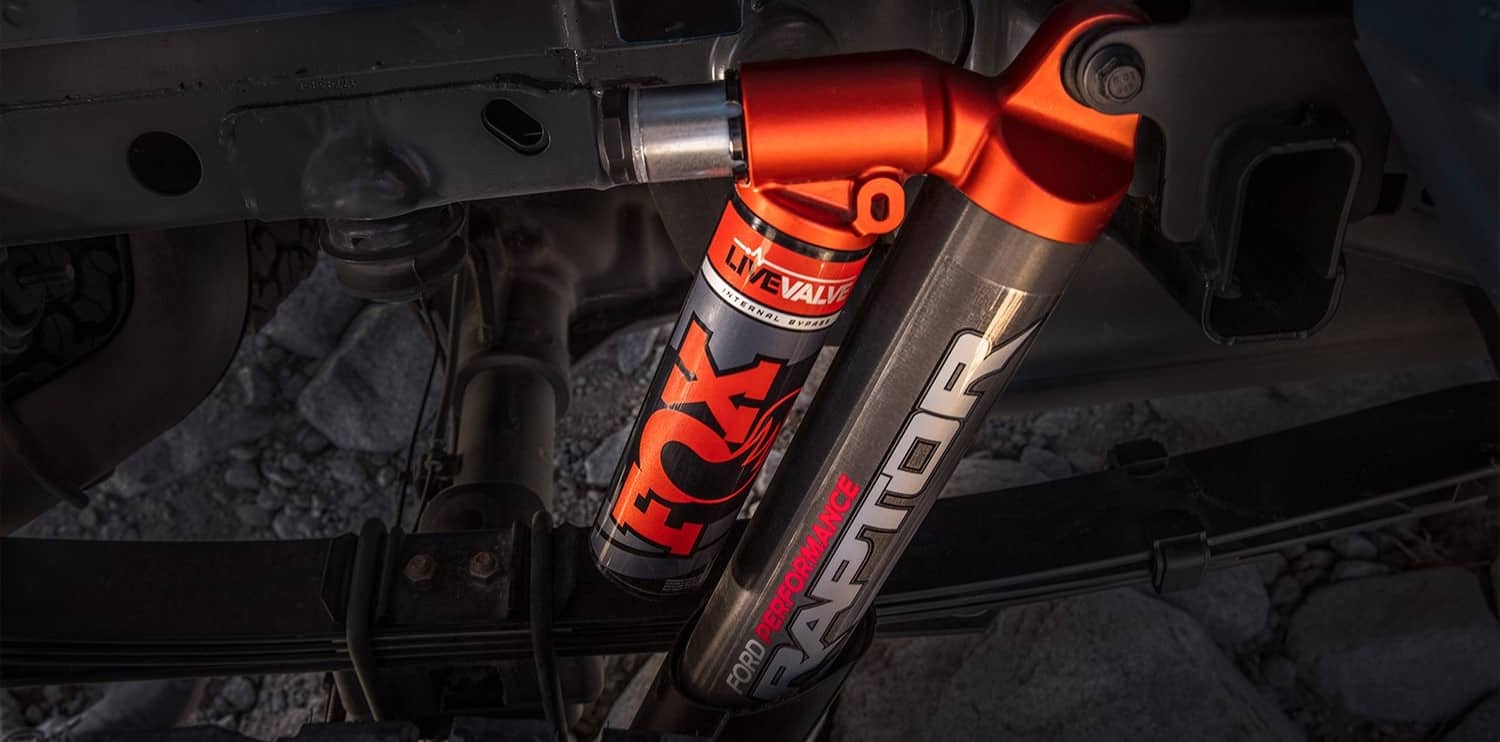
How much better are the Fox 3.0 / 3.2 Internal Bypass shocks than the 2.5 Factory Series / Performance Elite?
The step-up into the 3.0 or 3.2 internal bypass shocks from Fox could be seen as a major improvement to comfort, without losing high speed performance in the dirt. With an internal bypass design, Fox is able to valve the shocks in the normal ride zone to be pillowy and comfortable for the daily drive or the easy trails. Through position sensitive valving of the bypass design, when the shock shaft speeds and position start to cycle through full compression or full extension - the shocks respond by firming up the response so as to limit bumpstop engagement and maintain traction with the terrain.
On top of that, Fox 3.0 and 3.2 shocks come with dual speed adjustment, which continues to allow fine tuning of the ride quality even further.