4runner
The Best Shocks for the 2025+ Toyota 4Runner (in 2026)
Posted by Sean Reyes on
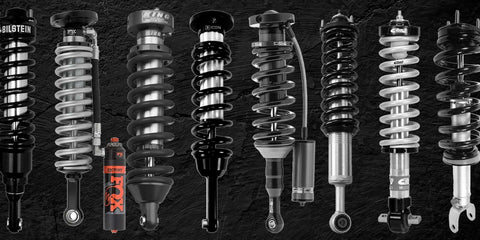
Shock Surplus · Buyer's Guide The 2025+ Toyota 4Runner rolls off the lot more capable than any generation before it - but aftermarket shocks remain one of the highest-impact upgrades you can make. Whether you're daily driving rough highways, overlanding fire roads on the weekend, or hauling gear & bikes to the trailhead, the right shock transforms the experience both on and off pavement. Shock Surplus runs its own 2025 4Runner as a test platform, as of this writing we've put thousands of miles into the vehicle.
Since this application is so new, we're still moving our way through many of the products listed below, so take our ratings and information as a culmination of all the data we've gathered across our other test vehicles, and not necessarily from extensive seat time.
Shock Surplus · Product Comparison Find YourSince this application is so new, we're still moving our way through many of the products listed below, so take our ratings and information as a culmination of all the data we've gathered across our other test vehicles, and not necessarily from extensive seat time.
Perfect Shock Honest side-by-side breakdown of every major tier. Toggle any shock to add or remove it from the comparison (4 shocks max at a time). The scores represent our previous findings across numerous applications. Shock Surplus is still in the middle of testing on our own 2025 4Runner, those reviews will be coming throughout 2026.
Compare
Products
Products
Performance
Road ComfortDaily drive smoothness — pavement, highways, canyon roads
Trail / Off-RoadDesert washes, rock trails, forest roads, technical terrain
Handling & ControlBody roll reduction, cornering stability, responsiveness
Haul & TowStability under load, sway control, trailer confidence
Specs & Materials
Shock DesignInternal construction type & bore
Monotube (46mm)
Monotube (60mm)
Monotube / IFP (46mm)
Monotube / IFP (60mm)
2.5" w/ Remote Reservoir
2.5" w/ Remote Reservoir
2.8" / 64mm Piston
2.5" Body
Monotube
Body MaterialOuter body construction and finish
Steel / Zinc Plated
Steel / Zinc Plated
Aluminum / Clear Anodize
Aluminum / Clear Anodize
Aluminum / Clear Anodize
Steel / Clear Coat
Aluminum
Steel / Clear Coat
Steel / Zinc Plated
Adjustability
Height AdjustmentFront lift range via coilover collar or perch
0-2.75"
1" – 3.3"
0" – 2"
0" – 2.25"
1.5" – 3"
1.5" – 3"
1.5" – 3"
1.5" – 3"
0.5" – 2.5"
Damping AdjustmentOn-the-fly or external ride quality tuning
Cost & Value
Price PointRelative investment tier — see scale below
Ideal Use Case
Best ForPrimary recommended applications
Honest TakeWhat we actually tell customers
A clean upgrade over the factory 4Runner shocks. Bilstein quality at the lowest entry price , if you want to level your 2025+ 4Runner, the 5100 is where you start.
The best value shock in this segment. Priced alongside other 2.0 options but packing a 60mm piston height adjustable shock. The 6112 outfits your 4runner for those more aggressive weekends on the dirt.
Fox's 2.0 IFP has been the 4Runner builder's staple for years. Aluminum body, consistent damping when hot. A great all-rounder for the daily driver who weekend wheels.
When you need the extra support but don't need reservoirs, the 2.5 IFP is a great step up. This is the 2.0's big brother for tighter control and chunkier terrain.
These shocks can do it all. The DSC EVO lets you fine-tune low-speed inputs or ramp up for hard off-road terrain. Highly recommended for those who take their adventures seriously and like to pick up speed in the dirt.
A shock that meets expectations right out of the box for comfort and off-road performance. Custom tuning is available but rarely needed — these are what you'd expect from a top-shelf shock, fully dialed from day one.
The largest bore in this lineup without a reservoir. The 64mm piston gives the MT64 extraordinary damping capacity — heavy vehicles feel light on their feet. If you want to keep up with the fast guys in the dirt without running reservoirs, this is the pick.
Probably the best-tuned 2.0 we've tested — a perfect blend of pavement comfort and light off-road capability. Custom tuning is available from day one from highly experienced tuners if your vehicle has specific needs.
Eibach designs shocks to work with their spring rates, giving you a cohesive suspension system, not just a shock swap. Best-in-class handling at the entry price bracket for drivers who split time between pavement and trail.
Standard Rating
Best in Class
Adequate / Limited
Price Scale
Under $400
$400–$700
$700–$1,200
$1,200–$2,000
$2,000+
Every Option Explained Every Shock, Broken Down What you need to know before you buy
A clean, no-nonsense upgrade from the factory unit. The 5100 is a direct-fit 46mm monotube shock that installs at stock ride height, no modification necessary, with noticeable handling improvement. These shocks have the ability to level the 4runner up to the 2-2.5in height, using factory springs.
Shop Now →
DesignMonotube (46mm)
Price Range$400 – $700
Road Comfort3 / 5
Lift RangeStock Height
The 6112 is the best value coilover on the market for the 4Runner — priced competitively against basic 2.0 options while delivering a 60mm piston, 1"–3.3" of height adjustment, and Bilstein's industry-leading durability. If you're pushing the 4runner hard on the weekends, but still value comfort on the daily, the 6112 were found to be surprisingly forgiving on the highways.
Shop Now →
DesignMonotube (60mm)
Price Range$700 – $1,100
Handling5 / 5 — Best
Lift Range1" – 3.3"
Fox's 2.0 has been the go-to coilover for 4Runner builds for years, for good reason. The aluminum body and internal floating piston (IFP) design maintain consistent damping even as the shock heats up on extended trail days. A 46mm monotube with off-road capability dialed in from the factory. If you want the Fox nameplate, aluminum protection against rust, and solid all-around performance without jumping to a bigger body, the 2.0 delivers.
Shop Now →
DesignMonotube / IFP (46mm)
Price Range$1400 – $1,800
Road Comfort4 / 5
Lift Range0" – 2"
When you need the extra support that comes with a bigger bore but don't need remote reservoirs, the Fox 2.5 IFP is the right tool. The 60mm piston is a meaningful improvement to overall support on the 4Runner, and the 0"–2.25" height adjustment gives you room to work with. This is the choice if you want a sportier feel to your daily driven 4Runner, while handling chunkier and more aggressive offroad terrain on the weekends.
Shop Now →
DesignMonotube / IFP (60mm)
Price Range$1,000 – $1,600
Off-Road4 / 5
Lift Range0" – 2.25"
Remote reservoir, DSC EVO adjuster, and 1.5"–3" of height adjustment — the Fox 2.5 PE can do it all. The DSC EVO lets you fine-tune low-speed compression damping for pavement comfort, or dial in more damping for high-speed runs in the dirt. Best-in-class handling and haul&tow stability, with the reservoir ensuring consistent damping through extended hard use. If you push the vehicle seriously off-road and want maximum control in all environments, this is the setup.
Shop Now →
Design2.5" Remote Reservoir
Price Range$900 – $1,500
Trail / Off-Road5 / 5 — Best
Lift Range1.5" – 3"
King delivers best-in-class road comfort and serious trail capability right out of the box. Remote reservoir, 1.5"–3" height adjustment, and compression adjustment available. The out-of-the-box tune is so well done that most drivers never feel the need for custom work — but that option is there. These are what you'd expect from a top-of-the-line shock: composed on pavement, confident in the dirt, and built to last through serious use.
Shop Now →
Design2.5" Remote Reservoir
Price Range$1,200 – $1,800
Road Comfort5 / 5 — Best
Lift Range1.5" – 3"
The MT64's 64mm piston is the largest in this lineup without a remote reservoir, and that bore size matters. The extra damping capacity makes heavy vehicles feel genuinely light on their feet — body control stays composed where lesser shocks start to fall apart. The aluminum body and OME's construction quality put this shock in a class of its own for no-reservoir designs. If you want to keep up with the fast guys in the dirt and like a clean install, the MT64 earns its price tag.
Shop Now →
Design2.8" / 64mm Piston
Price Range$1,200 – $2,000
Handling4 / 5
Lift Range1.5" – 3"
Probably the best-tuned 2.0 shock we've tested on the 4Runner — a perfect blend of pavement compliance and light off-road capability. The tuning in the Radflo is noticeably more refined than broad-market competition in this class. 1.5"–3" height range and custom tuning available from Radflo's in-house team, who are genuinely experienced and easy to work with. If you have specific vehicle needs or a particular build in mind, they can address it.
Shop Now →
Design2.5" Body
Price Range$700 – $1,200
Road Comfort4 / 5
Lift Range1.5" – 3"
Eibach engineers their Pro-Truck shocks to work in concert with their spring rates — the result is a cohesive suspension system with best-in-class handling at the entry price point. Instead of just replacing the shock, you're getting valving and spring geometry designed to complement each other. A solid choice for drivers who split time between pavement and trail and want a well-balanced setup without paying premium prices.
Shop Now →
DesignMonotube
Price Range$400 – $700
Handling5 / 5 — Best
Lift Range0.5" – 2.5"
Common Questions Frequently Asked Questions Straight answers from the team that owns a 2025 4Runner
There is no single best shock, we always say it comes down to budget and how you use the vehicle. Someone who commutes daily and hits trails on weekends has very different needs than someone who runs fast in the desert or uses the 4Runner as a workhorse. Start with your use case and budget, then match the shock to the job. That's why this guide exists. Live Chat us for immediate assistance.
The 2025-2027 4Runner is significantly more capable from the factory than the previous generation, thanks to the new TNGA-F platform and independent rear suspension. That said, aftermarket shocks improve comfort, control, and off-road capability in ways the stock setup can't match. If you're planning to lift the truck, run bigger tires, or push it hard off-road, upgrading the shocks early is one of the highest-impact modifications you can make.
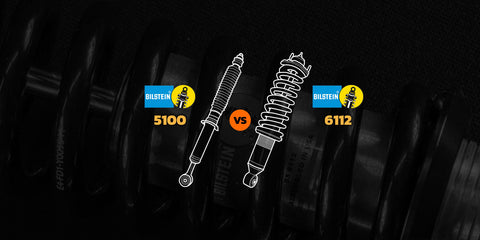
The 5100 re-uses your factory springs to give you a leveling option — it can moderately lift the front of the 4Runner to remove the factory rake and bring the nose up to match the rear. It's a clean, simple upgrade for owners who want better stance and improved rebound control without a full coilover swap. The 6112 is the bigger brother: a proper coilover with a larger 60mm piston, more height range, and significantly more damping capacity. It's built for faster trail speeds and heavier loads where the 5100 starts to show its limits. If you're staying mild, the 5100 gets it done. If you plan to push it, start with the 6112.
DSC EVO stands for Dual Speed Control Evolution — it's Fox's external knob that adjusts low-speed and high-speed compression damping. Turn it toward soft for better road compliance on the highway; turn it toward firm for improved body control when your 25+ 4Runner is under heavier loads or on twisty mountain roads. For anyone who actually uses the truck across varying terrain, this adjuster is genuinely useful. You can set it before a trail run and again when you're back on pavement. It's not a gimmick..
Remote reservoirs add oil volume and heat capacity. This matters most when you're making repeated hard hits in the dirt, long desert washes, and technical trails at speeds. The extra oil volume keeps damping consistent as the shock heats up. For a daily driven 2025+ 4Runner who occasionally hits easy trails, a quality IFP shock does the job. For someone legitimately pushing the vehicle off-road on a regular basis, the remote reservoir pays dividends through more consistent performance when it matters.
Most coilover kits for the 2025 4Runner offer between 1.5 and 3 inches of front lift, depending on the brand and where you set the collar. Even though the adjustable heigght shocks can go to 3inches, doesn't mean they should. Without a rear lift to match, you'll be nose-high at 3inches. You'll also be sacrificing downward travel of the entire suspension when you're lifted that high. If you're lifting the vehicle, pickup new upper control arms.
A direct-fit shock swap at stock height is manageable for anyone comfortable with basic suspension work and a proper spring compressor. Coilover installations that change ride height add alignment as a mandatory follow-up — plan for it before you start. If you're adjusting height and doing this for the first time, it's worth having a shop do the final torque and alignment. The install itself isn't overly complicated; the alignment is the part you don't want to skip.
Significantly better. The 6th gen moved to the TNGA-F platform with independent rear suspension, replacing the solid rear axle that defined 5th gen handling. The factory ride quality and on-road composure are noticeably improved. That said, aftermarket options still provide significantly better damping, more height adjustability, and off-road capability that the OEM setup can't match — especially for modified 4Runners running larger tires.
It depends on how much lift you're running on the 25+ 4Runner. At moderate lift heights of roughly 2 inches or under, the factory upper control arms can stay in place without causing immediate issues. But once you push past that, the factory ball joint angle starts working outside of its designed range. That accelerates wear, can cause binding through the suspension travel, and limits how much caster correction you can dial in for alignment. Aftermarket UCAs with a relocated ball joint restore proper geometry at lift height, reduce stress on the CV axles, and typically allow for a wider tire fitment. For anyone running 2.5 inches or more of lift on the new 2025+ Toyota 4Runner, UCAs are strongly recommended. It's the kind of component that makes the whole suspension system work the way it was meant to.